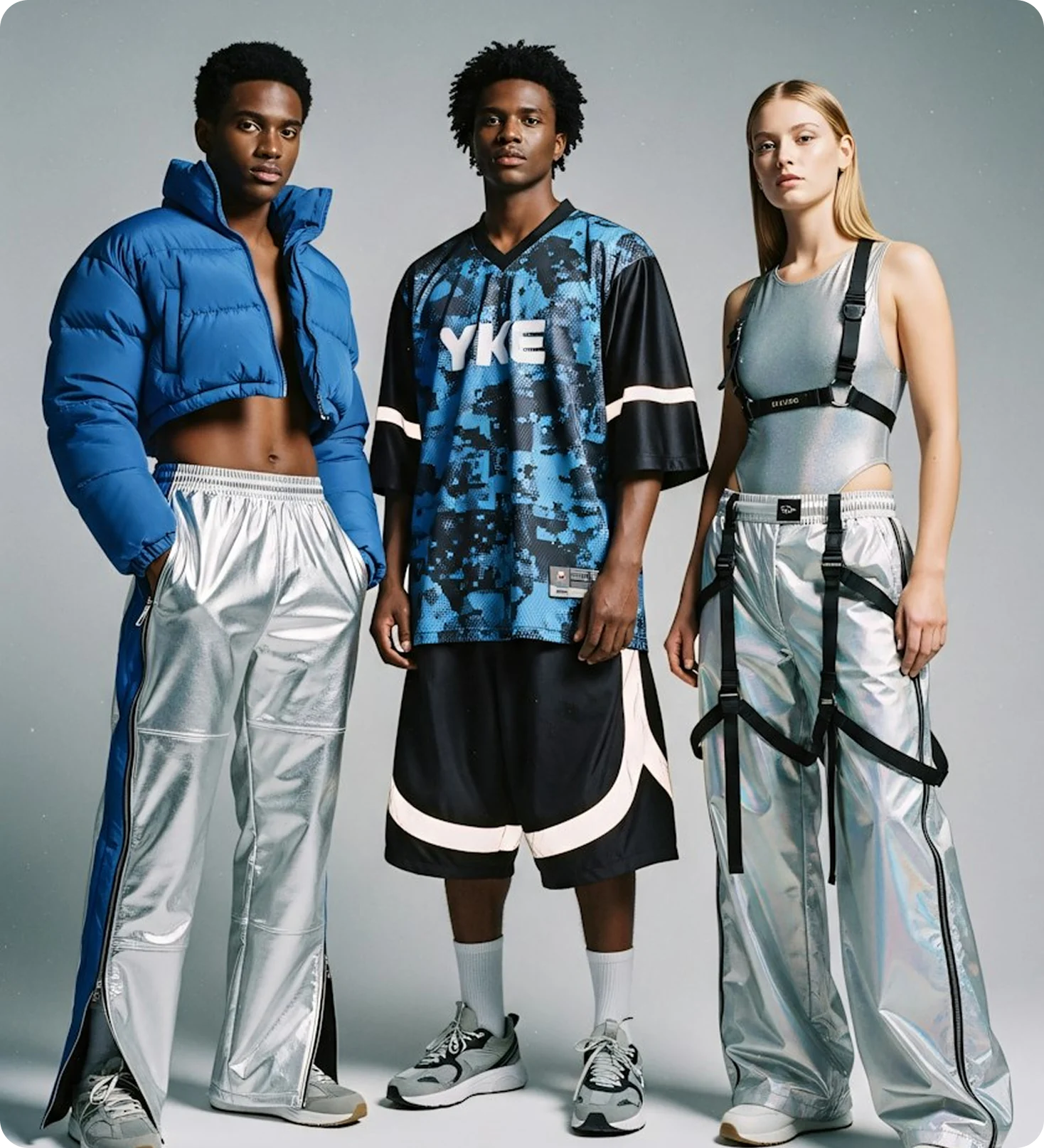
1. Define the shoot before you search
Start with the purpose of the shoot: editorial, lookbook, campaign, beauty, test shoot or another format. Write down the mood, wardrobe direction, location, approximate date, usage and the type of performance or presence you need from the model.
A clear concept makes casting more focused. Instead of searching for someone who simply “looks good,” you can evaluate whether a model’s portfolio, movement and experience fit the visual story and practical demands of the project.
2. Build a useful casting brief
A casting brief should give enough information for someone to decide whether the opportunity suits them. Include the project type, creative team, location, date or date range, expected duration, compensation or collaboration terms, usage and any specific requirements that genuinely matter to the work.
Keep the language respectful and relevant. Avoid vague messages that force talent to ask for basic details before they can respond. Clarity at this stage saves time for everyone and sets the tone for the collaboration.
3. Review portfolios with the project in mind
Look beyond one strong image. Review how the model photographs across different angles, expressions, styling and environments. For movement-heavy concepts, look for evidence of movement. For beauty work, closer images may be more useful. For lookbooks, consider how clearly the model presents garments.
Experience can help, but it is not the only factor. An emerging model whose look and energy fit the concept may be a better choice than someone with a longer portfolio that does not align with the brief.
4. Approach talent professionally
Introduce yourself and the project clearly. Explain why you think the person may be a good fit rather than sending an unexplained “Are you available?” message. If the project is paid, state the agreed rate or how compensation will be discussed. If it is collaborative, say that directly.
Professional communication also means giving people reasonable time to respond and accepting a no without pressure. A respectful approach protects your reputation and makes future collaboration more likely.
5. Confirm the practical details
Once someone agrees, confirm call time, exact location, expected finish time, contact person, wardrobe or grooming expectations, transport arrangements if relevant, and what the model should bring. Share meaningful changes as soon as possible.
For larger shoots, a simple call sheet or written summary can prevent confusion. The creative idea may be exciting, but smooth production depends on practical information being available to the people who need it.
6. Build relationships beyond one shoot
Good casting is not only about filling today’s project. When someone works well with the team, keep the connection. Credit people properly, share agreed final images and communicate about publication or campaign usage when relevant.
A reliable network of models and other creatives makes future projects easier to build. Treat every shoot as both a creative outcome and an opportunity to establish a professional relationship.